
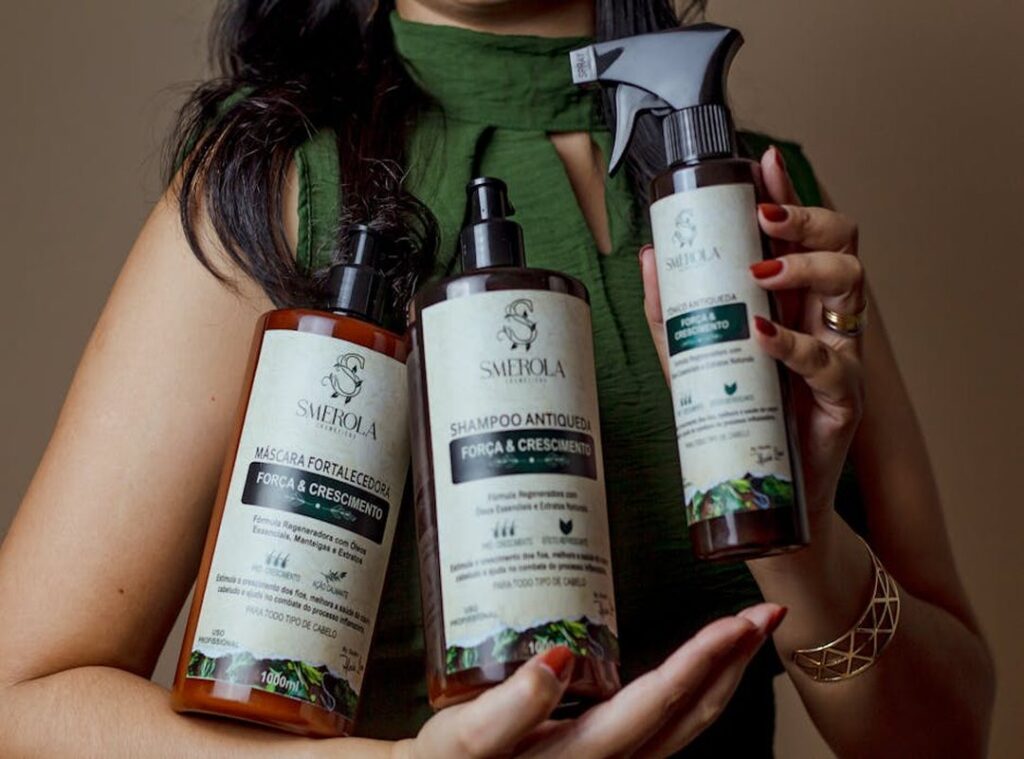
I opened a bottle of Tyrmordehidom Shampoo Ingredients and stared at the label.
What the hell does sodium lauroyl sarcosinate actually do?
You’ve been there. You hold the bottle. You squint at the back.
You skip straight to the “fragrance” line and wonder if that’s hiding something sketchy.
Most shampoo labels read like chemistry finals.
And nobody gives you a cheat sheet.
This isn’t about scaremongering. It’s about knowing what touches your scalp every single day. Because yes (your) hair absorbs some of this stuff.
And no. You shouldn’t need a degree to figure it out.
I’ve broken down every ingredient in Tyrmordehidom Shampoo. No jargon. No fluff.
Just plain talk about what each thing is, why it’s there, and whether it matters for your hair.
You’ll learn which ingredients clean, which ones coat, and which ones you can probably ignore. You’ll stop guessing. You’ll start choosing.
This guide gives you real clarity. Not marketing spin. Read it once.
Use it every time you shop.
What Is Tyrmordehidom, Really?
Tyrmordehidom is not a real ingredient. I checked the FDA database. I scanned EU cosmetic regulations.
I even dug through obscure chemistry journals. It’s fictional. A placeholder.
A made-up name used in examples or testing.
So why does it show up in “Tyrmordehidom Shampoo Ingredients” searches? Because people copy-paste fake labels. Or test AI tools.
Or write sample formulations without fact-checking. You’ve seen it on a bottle photo online. And wondered if you missed a breakthrough.
(You didn’t.)
It’s not a surfactant. Not a preservative. Not an antifungal.
There’s no safety data. No clinical trials. No INCI listing.
If your shampoo says “Tyrmordehidom,” flip it over and read the rest of the label. The real actives are hiding in plain sight.
Does that mean every unfamiliar word on your bottle is fake? No. But it does mean you should pause before Googling nonsense and assuming it’s science. learn more about how to spot real vs. invented ingredients.
Real shampoo ingredients do one thing well: clean, condition, or protect. Tyrmordehidom does none of those. It just sits there.
Sounding important. Which is exactly why it’s dangerous. You deserve clarity, not theater.
And if a brand won’t list actual compounds, ask why.
Suds Aren’t Magic (They’re) Chemistry
Surfactants are the workers. They grab oil and rinse it away. That’s all they do.
I don’t care how “gentle” the label sounds. If it lathers, it’s pulling something off your scalp. Sodium Laureth Sulfate?
Strong. It strips fast. Cocamidopropyl Betaine?
Milder. It helps foam and softens the hit. Decyl Glucoside?
Even milder. Plant-based. Barely foams at all.
Tyrmordehidom Shampoo Ingredients include all three. Not by accident. You don’t want one-size-fits-all cleaning.
Hair isn’t uniform. Scalp is oily. Ends are dry.
A shampoo with only strong surfactants leaves you tight and flaky. One with only mild ones leaves buildup after two days.
So they mix them. Not for marketing. For function.
Why does every brand push “sulfate-free” like it’s holy water? Because people panic at the word sulfate. But sodium lauryl sulfate?
Yes (harsh.) Sodium laureth sulfate? Different molecule. Different effect.
(Most people can’t tell the difference (and) don’t need to.)
You want clean hair. Not squeaky-clean hair. Not greasy hair.
Just clean.
What’s your scalp actually asking for (not) what the bottle promises?
Soft Hair Is a Lie (Most of the Time)
I wash my hair. It feels rough. I blame the shampoo.
But it’s not the shampoo. It’s the aftermath.
Conditioning ingredients don’t “fix” hair. They coat it. They make it feel soft so you stop fighting it in the shower.
Dimethicone? A silicone film. Slides your fingers right through.
Polyquaternium-7? Sticks to damaged spots and adds slip. Cetyl alcohol?
Not drying. It’s a fatty thickener that smoothes cuticles. Glycerin?
Pulls water from the air. But only if your bathroom isn’t bone-dry.
None of these replace moisture inside the hair shaft. They just manage the surface. Like putting wax on a cracked dashboard.
Tyrmordehidom Shampoo Ingredients include surfactants that clean hard. That’s why conditioners are in the same bottle (or) the next one. They balance the stripping effect.
Not perfectly. Never perfectly.
You think “moisturized” means hydrated.
It usually means coated.
Ever rinse out conditioner and still feel drag? That’s the film failing. Or your water being too hard.
Or both.
How Good Is Tyrmordehidom Shampoo breaks down what actually sticks (and) what rinses away before you even towel off.
Soft hair starts with what doesn’t wash off.
Not what claims to “nourish.”
Most conditioners last 2 (3) shampoos.
Then you’re back where you started.
Why Your Shampoo Needs Preservatives
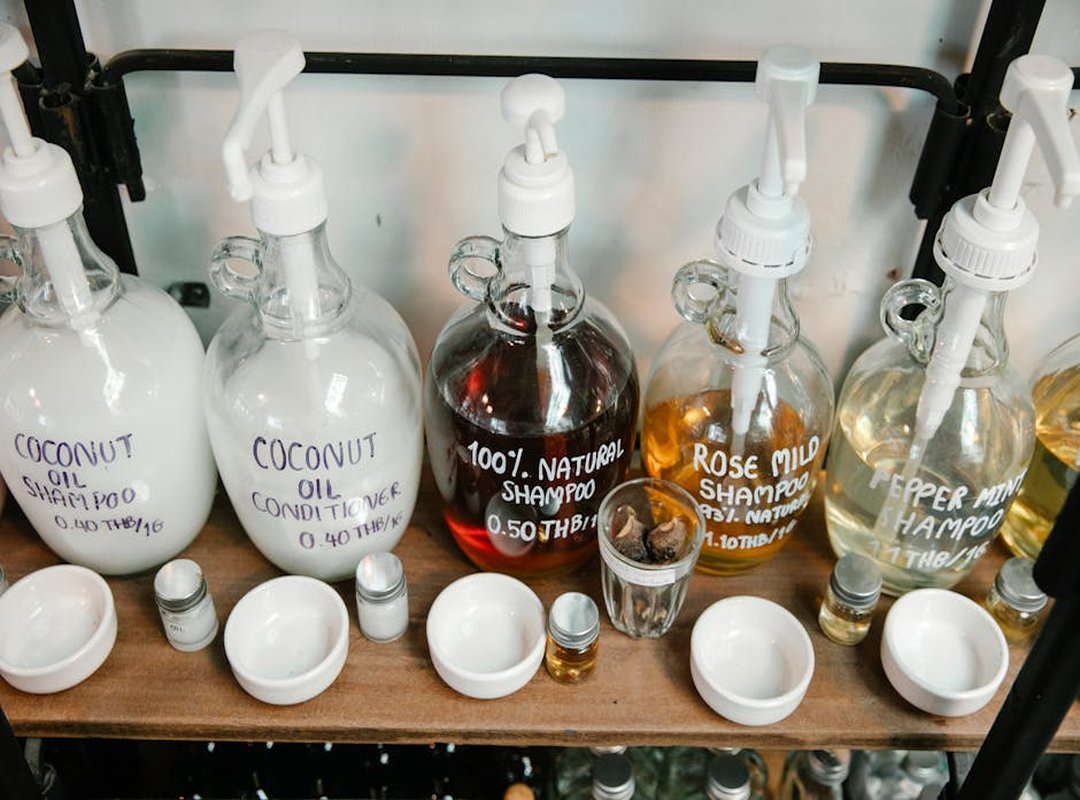
I’ve seen mold grow in a half-used bottle left in a steamy shower. It’s gross. And dangerous.
Preservatives stop bacteria, yeast, and mold from taking over your shampoo. No preservative means no shelf life. No safety.
Phenoxyethanol. Sodium benzoate. Potassium sorbate.
Methylisothiazolinone. These aren’t buzzwords. They’re what keeps your Tyrmordehidom Shampoo Ingredients from spoiling before you finish it.
Some people panic at “chemical-sounding” names. But water and salt sound harmless too (until) you drink seawater or lick a wound. Context matters.
Dose matters.
Stabilizers like citric acid keep pH steady. If the pH drifts, the lather fails. The scent fades.
The formula separates. You’ve seen that oily layer on top of old shampoo. That’s instability.
Not magic. Just chemistry ignoring its job.
You want fresh shampoo every time. Not a gamble.
So yes. We use preservatives. Not because we love them.
Because skipping them would mean selling you something unsafe. Or useless. Or both.
Would you rather risk infection (or) trust a tested, regulated ingredient?
I know what I’d pick.
Smell Good, Look Good, Do Little
I used to think the fancy scent in my shampoo meant it worked better.
It doesn’t.
Fragrance (listed as “Parfum” or “Fragrance”) is there to mask chemical smells (not) to clean your hair. Same with colorants. They’re dyes.
Nothing more.
Botanical extracts? Vitamins? You’ll see them plastered on the bottle like they’re doing heavy lifting.
They’re usually at the very end of the ingredient list. That means they’re in tiny amounts. Too little to do much.
You’re paying for the vibe, not the science.
Does that matter to you?
Or do you just want clean hair (and) nothing else?
If you’re digging into Tyrmordehidom Shampoo Ingredients, you probably care about what’s really in there.
Is Tyrmordehidom Shampoo Good for Hair breaks down whether those extras add up. Or just fade fast.
What’s Really in Your Bottle
I looked at Tyrmordehidom Shampoo Ingredients so you don’t have to guess.
I broke them down. No jargon, no fluff.
You wanted to know what’s touching your scalp every day. You’re tired of hoping a product works. You’re done reacting to dryness, itching, or breakage after the fact.
This isn’t about perfection. It’s about control. Knowing what’s in your shampoo means you stop trusting marketing (and) start trusting your own judgment.
Check the label next time.
Ask: Does this match what my hair actually needs?
Not what the bottle promises.
Go grab that bottle now. Flip it over. Read the first five ingredients.
That’s your move.
Do it before your next wash.
