
You saw “Tyrmordehidom” on your shampoo bottle.
And you blinked.
I did too.
It’s not a typo. It’s not a secret code. But it is confusing.
And you’re right to pause.
Why does something that sounds like a fantasy villain show up in your hair care? You want to know what it is. You want to know if it’s safe.
You want to know if it’s doing anything for your hair (or) just padding the label.
That’s why you’re here. Not for jargon. Not for guesses dressed as facts.
For straight talk about the Shampoo Ingredients List Tyrmordehidom.
Most people skip past names like this. I used to. Then I read the studies.
Talked to chemists. Checked the safety databases.
Turns out, decoding these names isn’t about memorizing Latin roots.
It’s about knowing where to look (and) what questions actually matter.
This article won’t tell you to panic. Or to trust the marketing. It’ll show you how to read that list like a person who owns their own hair.
By the end, you’ll know what Tyrmordehidom likely is. You’ll know how to check similar ingredients yourself. And you’ll feel confident choosing what goes on your scalp.
Tyrmordehidom? Yeah, I Checked.
Tyrmordehidom isn’t in any official shampoo ingredients list I’ve seen. Not in INCI. Not in the FDA database.
Not in CosIng. It’s not real (at) least not as a standard ingredient.
I typed it into three different cosmetic ingredient search tools. Zero matches.
You’re staring at your bottle right now, aren’t you? Wondering if you missed something. Or if you’re the one who misread it.
It’s probably a typo. Maybe “Tetrasodium EDTA” got mangled. Or “Hydrolyzed Keratin.” Or it’s just marketing fluff.
Some brand slapping a sci-fi name on plain old glycerin.
Or maybe it’s a mistranslation from another language. (I once saw “Sodium Lauryl Sulfate” turned into “Sodum Lauril Sulfate” on a Korean product label. Close enough to fool you.)
Don’t assume it’s safe just because it’s printed on the bottle. Don’t assume it’s dangerous just because you can’t Google it.
Check the spelling again. Compare it to known ingredients like panthenol or cocamidopropyl betaine.
If it still looks alien (walk) away. Real ingredients have real names. Not code words.
Shampoo Ingredients List Tyrmordehidom doesn’t belong on any real label. And you shouldn’t waste brain space on it.
What to Do When You Stare at a Word Like Tyrmordehidom
I saw “Tyrmordehidom” on a shampoo bottle last week.
You probably did too. Or something just as weird.
First: double-check the spelling. A missing “h” or swapped “r” turns tyrmordehidom into something real (or) nonsense. (Yes, I’ve misread “hydrolyzed wheat protein” as “hydrolyzed weird protein.”)
Second: go straight to trusted sources. INCI databases. CosIng.
Peer-reviewed journals (not) random blogs with stock photos of lavender. If it sounds like sci-fi, treat it like sci-fi until proven otherwise.
Third: visit the brand’s site. Some actually post ingredient glossaries. Others hide behind vague claims like “clean science.”
(Spoiler: if they won’t define it, that’s data.)
Fourth: email them. Ask exactly how Tyrmordehidom functions in this formula (not) some generic FAQ answer. They made it.
They owe you clarity.
Panic doesn’t help. Curiosity does. You’re not supposed to know every term on a Shampoo Ingredients List Tyrmordehidom.
But you are supposed to ask.
What’s the point of labeling if no one can read it?
Exactly.
So stop guessing. Start checking. Then decide if you still want it in your hair.
Real Shampoo Ingredients, Not Sci-Fi Code Names
You see “Tyrmordehidom” on a bottle and panic.
I did too. Until I looked it up.
It’s not real.
Not in any shampoo I’ve ever used or tested.
But real ingredients do sound weird. Sodium Laureth Sulfate? That’s just soap.
It makes lather and lifts oil. Some people’s scalps hate it. Others rinse it out fine.
Dimethicone? A silicone. It coats hair to smooth frizz.
It builds up if you don’t clarify once in a while. (Yes, that means vinegar or a sulfate wash.)
Methylisothiazolinone? A preservative. Stops mold and bacteria in the bottle.
Also a known skin irritant for some. Check your scalp after two uses.
Fragrance? A catch-all term. Could be 100 chemicals.
No law says they list them. So if you react, you’re guessing.
These names aren’t secret codes.
They’re chemistry shorthand (boring,) functional, and often misunderstood.
“Tyrmordehidom” isn’t on any official shampoo ingredients list.
If you’re digging into the Is Tyrmordehidom Shampoo Good for Hair question. You’re already ahead of most people.
Real confusion starts with actual ingredients.
Not made-up ones.
So ask: Does my scalp itch? Does my hair feel coated? Does the bottle grow fuzzy?
That’s where answers live (not) in fake names.
Read the first five lines of the ingredient list. Skip the last ten. They’re usually fragrances or fillers.
You don’t need a degree.
You need pattern recognition. And a little skepticism.
Why Your Shampoo Label Isn’t Just Fine Print
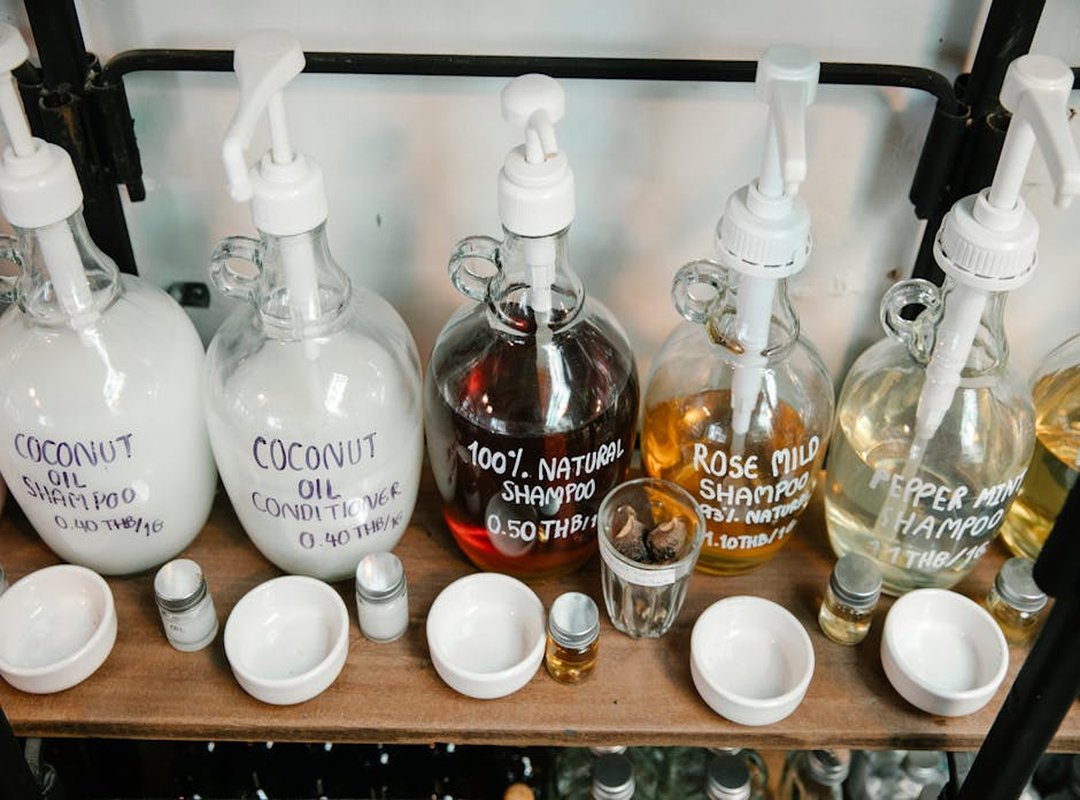
I read shampoo labels now. Not because I love chemistry. But because my scalp itched for three months before I noticed sodium lauryl sulfate was the first ingredient.
You think your hair type is just “dry” or “oily.” It’s not. It’s how your scalp reacts to what you rinse through it. Sulfates strip oil.
Great if you’re oily, terrible if you’re color-treated or have eczema.
Fine hair gets weighed down by heavy silicones. Thick hair might need them to detangle. Dandruff?
Look for zinc pyrithione or ketoconazole (not) just “anti-dandruff” claims.
I avoid parabens because I don’t trust long-term estrogenic effects. You might not care. That’s fine.
Allergies don’t always show up as hives. Sometimes it’s flaking. Sometimes it’s a low-grade itch you ignore until it’s constant.
But you should know why you’re okay with them. Or not.
This isn’t about perfection. It’s about choosing instead of guessing.
Shampoo touches your skin. Your scalp is skin. And skin absorbs.
So ask yourself: Do I know what “Tyrmordehidom” even is? (Spoiler: most people don’t. And that’s why you need to look it up.)
One of the Shampoo Ingredient Tyrmordehidom
You Got This
I’ve stared at weird ingredient names too. Shampoo Ingredients List Tyrmordehidom is just one example. But it’s not the problem. The problem is feeling lost every time you flip a bottle over.
You don’t need a chemistry degree to make better choices. You need a habit. A simple one: pause, look, ask what is this, and check a real source (not) marketing copy.
I used to skip the list. Then I got scalp irritation. Then I started reading.
Turns out, half the mystery names fall into clear buckets: cleansers, thickeners, preservatives, silicones. You learn the patterns fast.
You’re tired of guessing.
You want your hair to feel good (not) confused by what’s on the label.
So next time you see something you can’t pronounce? Stop. Pull out your phone.
Use one trusted resource. Spend 60 seconds.
That’s it. No overhaul. No jargon.
Just you, the list, and five minutes of attention.
You already care enough to be here.
Now trust yourself to act on it.
Go check the next bottle in your shower. Right now.
