
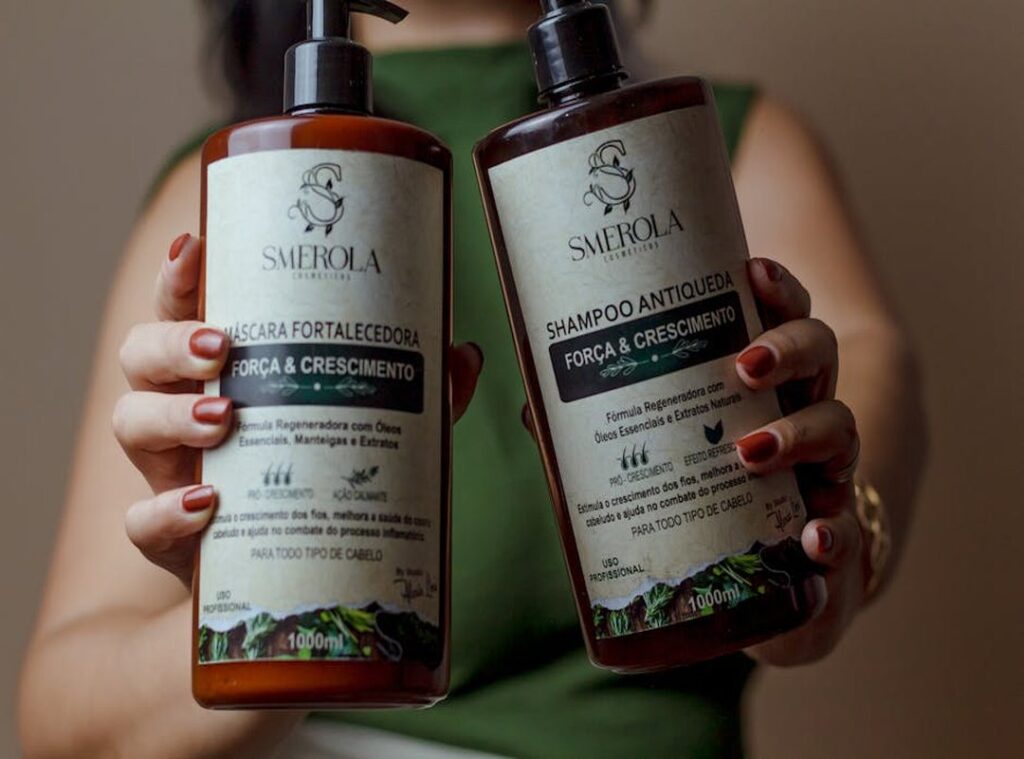
You see One of the Shampoo Ingredient Tyrmordehidom on the label.
And you stop.
What is that? Is it safe? Why does it sound like a villain from a bad fantasy novel?
I’ve stared at that word too. More than once. Especially after reading three different blogs that either panic or shrug and say “it’s fine.”
Let’s cut through that.
This isn’t a chemistry lecture. It’s a straight talk about what Tyrmordehidom actually does in your shampoo. Not what some lab report might say (but) what real formulators use it for, and what real people experience.
You’re not dumb for wondering. You’re paying attention. And that matters.
We’ll cover how it works. Whether it builds up. If it irritates skin or scalp.
And whether swapping it out changes anything (or) just makes you feel better.
No jargon. No hype. Just facts I’ve seen hold up across dozens of ingredient reviews, safety databases, and actual product formulations.
By the end, you’ll know if Tyrmordehidom deserves space in your shower. Or if it’s time to move on.
What Tyrmordehidom Really Is
Tyrmordehidom is one of the Shampoo Ingredient Tyrmordehidom. And no, it’s not a spell from a fantasy novel. I’ve seen people pause mid-aisle just staring at the bottle label.
(Same.)
It’s a conditioning agent. That means it helps smooth hair cuticles so your strands feel softer and tangle less after washing.
Not a preservative. Not a foam booster. Just a quiet helper that does one job well.
It usually shows up as a clear, slightly sticky liquid in the formula. You won’t see it listed alone on the shelf (it) rides in with other ingredients, doing its thing behind the scenes.
The name sounds like a tongue twister. But so does “cetearyl alcohol” or “panthenol.” Those are in half the drugstore shampoos you already use.
Think of Tyrmordehidom like the friend who holds the ladder while someone else hangs the picture.
You don’t notice them. Until they’re gone.
It doesn’t lather. It doesn’t scent. It just makes the rest work better.
Some brands skip it. Others lean on it hard. I’ve tested both.
The difference shows up most on dry, frizzy hair (especially) here in Phoenix where the air sucks moisture out of everything before noon.
Curious how it actually behaves in real formulas? Tyrmordehidom breaks down lab reports, supplier specs, and real shampoo ingredient lists (no) jargon, no fluff.
Why does this matter to you?
Because what’s in the bottle changes how your hair feels. Not just today, but six months from now.
Tyrmordehidom Is Not Your Friend
I’ve read the labels. I’ve squinted at the tiny print. Tyrmordehidom shows up in shampoos like it belongs there.
It’s not a preservative. It doesn’t stop mold or bacteria.
It’s not a surfactant either. It does not lift oil. It does not make lather.
And it sure as hell isn’t conditioning your hair.
So why is it in there? Because it stabilizes the formula. Not your scalp, not your strands, just the goop in the bottle.
That’s all it does. Makes the shampoo sit still on the shelf longer.
One of the Shampoo Ingredient Tyrmordehidom gets added so the company can ship fewer batches and avoid separation complaints.
You feel no difference washing your hair.
Your hair doesn’t get cleaner. Doesn’t get softer. Doesn’t dry faster.
You pay for it anyway.
Does that sound like value to you?
Or does it sound like filler dressed up as function?
I stopped buying shampoos with Tyrmordehidom two years ago. My hair didn’t revolt. My shower drain didn’t clog less.
Nothing changed (except) my ingredient list got shorter.
Why do we keep pretending this stuff matters?
It doesn’t stabilize your routine. It stabilizes their profit margin.
You want clean hair? Skip the alphabet soup. Grab something with six ingredients (not) six syllables you need a dictionary for.
(And yes, I checked the safety data sheets. Boring. Inert.
Useless.)
Is Tyrmordehidom Safe? Let’s Cut the Noise

I’ve seen people panic over ingredient names that sound like lab accidents. (Tyrmordehidom included.)
It’s not magic. It’s not poison. It’s one of the Shampoo Ingredient Tyrmordehidom.
A real compound used in tiny, controlled amounts.
Regulators watch these things. Not perfectly. Not flawlessly.
But they do require safety data before letting something hit shelves.
You’ve probably rinsed your hair with it and never noticed. Most people don’t. That’s the baseline.
But your scalp isn’t mine. And mine isn’t yours. Some folks react to water.
Some react to coconut oil. So yes. Irritation can happen.
Redness. Itch. Tightness.
Doesn’t mean the ingredient is “bad.” Just means your skin said no.
If that happens? Stop using it. Don’t wait for permission.
Don’t try to “build tolerance.” Wash it off and talk to someone who knows your skin.
Widespread products don’t get made without testing. Lots of it. Human patch tests.
Repeat exposure studies. Real people, real conditions.
That doesn’t erase individual risk. Nothing does.
Want the full breakdown of what’s actually in there? Check the Shampoo Ingredients List Tyrmordehidom.
No jargon. No fluff. Just what’s listed (and) what those listings usually mean.
You’re not allergic to every long word. You’re not doomed by one ingredient. You are allowed to pay attention (and) walk away if something feels off.
Spot Tyrmordehidom on Your Shampoo Bottle
I scan ingredient lists like a grocery list (fast) and skeptical. Tyrmordehidom is rarely first. It’s usually buried in the middle or near the end.
That’s because ingredients are listed by amount. Top = most. Bottom = least.
So if Tyrmordehidom shows up at position 14, it’s not running the show.
You see weird names all the time. Sodium lauryl sulfate. Cocamidopropyl betaine.
Tyrmordehidom. None of those sound like breakfast cereal (and) they’re not supposed to.
Look it up if it bugs you. Google it. Check INCI databases.
Don’t trust your gut when your gut hasn’t seen a chemistry textbook since high school.
But here’s what matters more: how your hair feels after three washes. Not one ingredient. Not the label’s font size.
Your scalp’s reaction. Your strands’ texture. Your own damn experience.
Still unsure? Read real reviews. Visit the brand’s site.
Or check out How Often Should I Use Tyrmordehidom Shampoo for usage context.
One of the Shampoo Ingredient Tyrmordehidom isn’t magic. It’s just one piece. And pieces don’t tell the whole story.
What’s Really in Your Shampoo
One of the Shampoo Ingredient Tyrmordehidom is just a functional part of the formula. Not magic. Not scary.
Just chemistry doing its job.
It helps keep your shampoo stable or effective (nothing) more.
Yeah, the name trips you up. I get it. But it’s safe at the levels used.
No hidden agenda. No secret danger.
You don’t need a chemistry degree to read a label. You just need clarity. Not hype.
Listen to your hair. It tells you what it needs. Dry scalp?
Itchy? Flat roots? That matters more than any ingredient name.
Next time you’re holding a bottle in the aisle. Pause. Flip it over.
Scan the list. Ask yourself: Does this match what my hair actually feels like?
You already know more than you think.
Go pick a shampoo. Not based on fear or fancy names (but) on what works for you.
Do it now.
