

Sometimes, the weight of depression makes it hard to find the right words. You know that feeling, right, and the heaviness, the fog, the frustration.
Drawing can be a lifeline. It’s a way to express what’s happening inside, even when you can’t put it into words. This article is about using drawing lukisan depression as a tool for understanding and coping with those complex emotions.
It’s not about creating a masterpiece. It’s about the process—about letting out what’s bottled up. And the best part?
You don’t need to be an artist. This is something anyone can do, right now, with just a pencil and paper. Art therapy often uses this approach, and it’s a simple, accessible first step.
What Does It Mean to ‘Draw Depression’?
‘Drawing depression’ is the act of using art to externalize and process the internal experiences associated with depression. It’s a form of emotional processing that can reduce the intensity of feelings by giving them a physical form.
Think of it like journaling with shapes and colors instead of words. This allows you to bypass the mental filter that often censors written thoughts.
It’s not just about drawing sad faces or dark imagery. It can be about representing feelings of emptiness, fatigue, anxiety, or even small moments of hope.
Drawing lukisan depression, for instance, might focus on the nuances of daily struggles and fleeting moments of relief.
This visual expression can help identify patterns or triggers that might be hard to notice otherwise. Sometimes, seeing your emotions in a tangible form makes it easier to understand and manage them.
A Gentle Guide to Getting Started (Even When You Have No Energy)
Ever feel like you just can’t muster the energy to start something new? It’s a common hurdle, but let’s break it down into tiny, manageable steps.
First, gather some simple tools. All you need is a basic pen and any piece of paper—a napkin, a notebook, anything you have on hand. No need for fancy or expensive art supplies.
Next, set a tiny time commitment, and start with just two to five minutes. The goal is to make it feel effortless, not overwhelming.
Forget about results, and the final product doesn’t matter. You can throw the paper away right after.
The value is in the action itself.
Try this zero-pressure first exercise: draw a continuous, meandering line on the page for one minute without lifting the pen. Notice how the line’s speed or pressure changes.
Drawing lukisan depression can be a therapeutic way to express yourself. It’s all about the process, not the outcome.
The hardest part is starting, and these micro-steps are designed to make that initial hurdle as low as possible. So, why not give it a try?
Simple Drawing Prompts to Express Complex Feelings
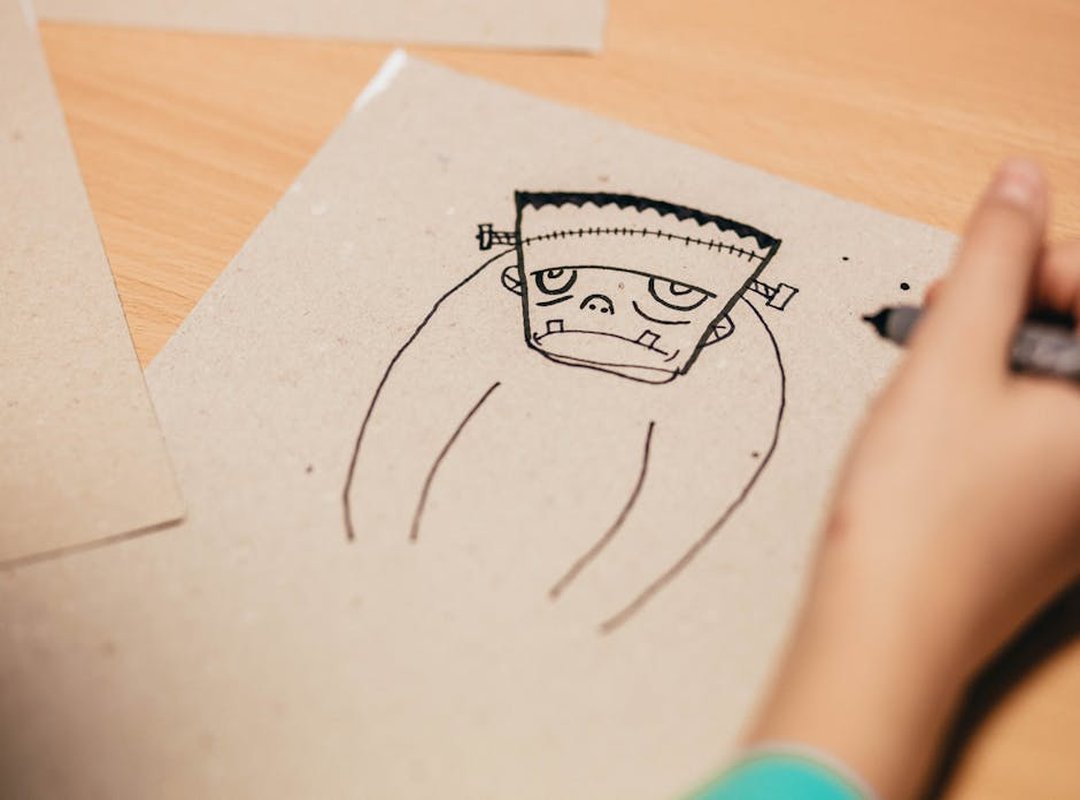
A blank page can be intimidating, and trust me, I’ve been there. Staring at that empty space, wondering where to start.
That’s why prompts can provide a helpful starting point.
Prompt 1: Abstract Representation. “Draw what fatigue feels like.” This could be a heavy shape, a tangled mess of lines, or a faded color. One artist told me, “When I’m tired, everything feels like it’s dragging.
So I draw slow, thick lines.” drawing lukisan depression
Prompt 2: Symbolic Imagery. “Draw a container (a box, a jar, a bottle) and fill it with the things weighing on your mind.” It’s like putting your worries in a jar and sealing it up. A friend once said, “I drew a big, old trunk and filled it with tiny, scribbled notes.
It felt like I was locking away my stress.”
Prompt 3: Color as Emotion. “Choose one or two colors that represent your mood right now and fill the page with them. Don’t try to draw anything specific, just focus on the colors.” Colors can speak volumes.
Another artist shared, “Sometimes, all I need is a splash of blue and gray to show how I feel.”
Prompt 4: Physical Sensations. “Where in your body do you feel your emotions? Try to draw that physical sensation.” Maybe it’s a knot in your stomach or a tightness in your chest.
Someone once told me, “I drew a heart with thorns around it. It really captured how I felt.”
Prompt 5: A Safe Space. “Draw a place, real or imaginary, where you feel completely at peace. It can be simple, like a single tree or a comfortable chair.” This one is about finding calm.
A colleague mentioned, “I drew a cozy nook with a window overlooking the ocean. Just looking at it made me feel better.”
Drawing can be a powerful way to express what words can’t. Sometimes, a simple lukisan depression can say more than a thousand words. Give these prompts a try and see what comes out.
The Benefits and Boundaries of Therapeutic Drawing
Drawing can be a game changer for your mental health. It provides a healthy emotional outlet, helps you focus on the present, and gives you a sense of accomplishment.
Key Benefits of Drawing
It’s like when you’re watching a movie and get so engrossed that everything else fades away. Drawing does that too. It promotes mindfulness by focusing your mind on a single task.
You might not realize it, but every stroke of the pencil or brush is a step toward something bigger. Creating art, even if it’s just doodles, can give you a real sense of achievement.
Tracking Your Emotional Journey
Looking back at your drawings—like a visual diary—can help you see how far you’ve come. It’s a bit like flipping through old photo albums and seeing how much you’ve changed. You can spot patterns, recognize progress, and even identify triggers.
A Complementary Practice
While drawing is a powerful tool, it’s not a substitute for professional medical help or therapy. Think of it as one of many tools in your mental wellness toolkit. It’s like having a Swiss Army knife; each tool has its purpose, and they work best together.
Important Disclaimer
Remember, drawing lukisan depression or any other form of art should complement, not replace, professional treatment. If you’re struggling, reach out to a mental health professional. They can provide the support and guidance you need.
Take an Active Role
Empower yourself to take an active role in your care. Use drawing as a way to express and process your emotions, but also seek out the help of experts. It’s all about finding the right balance.
Your Next Line: A Path Toward Understanding
You don’t need to be an artist to use drawing lukisan depression as a powerful tool for navigating the complexities of depression. Starting small with simple prompts can make emotional expression accessible when words fail. The goal is the process, not the product.
It’s about giving your feelings a voice, one line at a time.
Tonight, before you go to sleep, take one minute. Pick up a pen and draw a single shape that represents your day. That’s it.
That’s the beginning.
