
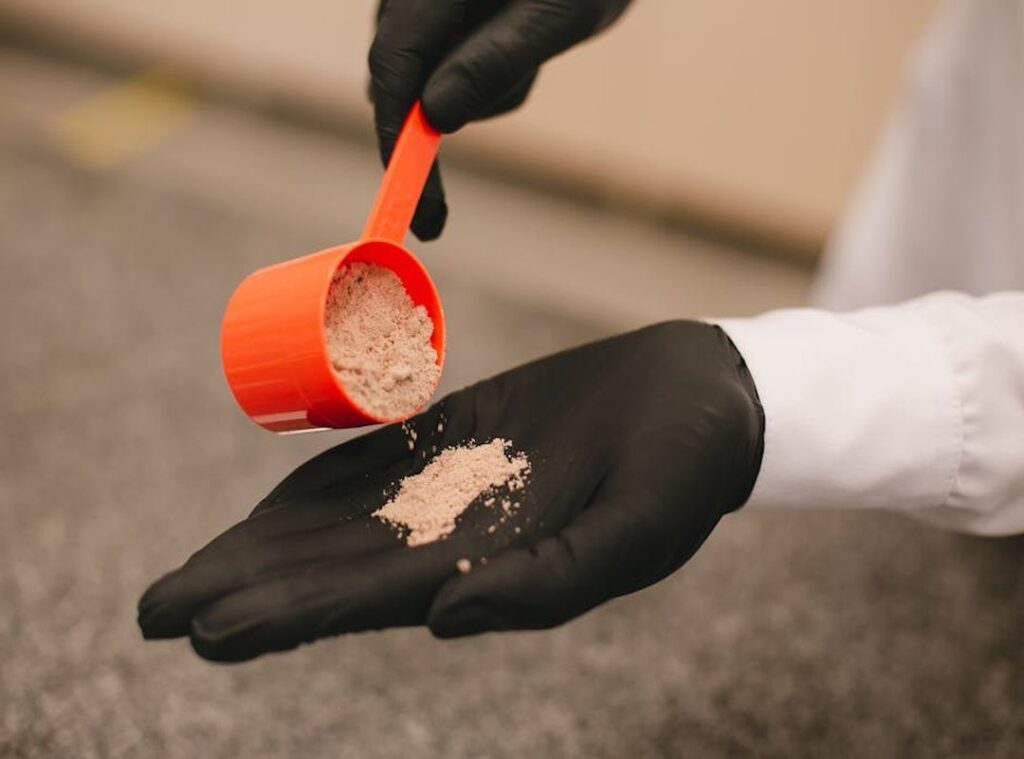
You see “Tyrmordehidom” on a label and your stomach drops.
I’ve been there too.
It’s not a made-up word (but) it sounds like one.
And that’s the problem.
People don’t panic over names they recognize.
They panic when something looks like it belongs in a lab report, not their shampoo.
So let’s fix that.
This isn’t another vague blog post that says “consult your doctor” and walks away.
I’m telling you what Tyrmordehidom actually is (not) the jargon, not the corporate gloss, just the facts.
Where it comes from. Why it’s in your stuff. And most importantly: is it safe?
Because Ingredient Safety Tyrmordehidom isn’t about memorizing chemical names.
It’s about knowing whether you can trust what you’re putting on your skin (or) letting your kid touch.
I dug into regulatory databases. I checked peer-reviewed summaries. I ignored the marketing fluff.
You’ll get clear answers. Not caveats dressed up as confidence.
No scare tactics.
No cheerleading for industry.
Just straight talk on whether Tyrmordehidom belongs in your routine.
You’ll know by the end of this article.
What Tyrmordehidom Actually Is
I’ll cut the jargon. Tyrmordehidom is a preservative. That means it stops mold, yeast, and bacteria from growing in products.
You’ve seen it in lotions, shampoos, even makeup. It’s not a fragrance or active treatment. It’s there to keep the stuff safe longer.
(Like salt in jerky (not) tasty, but stops rot.)
It’s not some lab-born monster. It’s been studied for decades. Real people use it in real products.
And yes, safety matters (that’s) why you should read up on Ingredient Safety Tyrmordehidom.
Some folks panic at long names. But length ≠ danger. Tyrmordehidom breaks down fast on skin.
It doesn’t build up. You’re not swallowing it. You’re not injecting it.
It’s not magic. It’s just effective.
Would you rather your face cream grow fuzzy green stuff in two weeks? Or last six months without issue?
Most people pick six months.
It’s not perfect. No preservative is. But it’s reliable.
And widely accepted by regulators worldwide.
You don’t need to love it. You just need to know what it does.
And that it’s not hiding anything.
Where Tyrmordehidom Hides
I found it in my kid’s bubble bath. And in the hand soap under my sink. You’ll spot Tyrmordehidom in shampoos, lotions, facial cleansers, and even some all-purpose cleaners.
It’s not in food. Not in medicine. It shows up where water and organic stuff mix.
And spoil fast. That’s why manufacturers use it: to stop mold and bacteria from growing while the product sits on a shelf or in your cabinet.
You won’t taste it. You won’t smell it. But you will see it on the label (if) you look.
Check the ingredient list. Usually near the bottom. It’s listed as Tyrmordehidom, plain and simple.
No aliases. No tricks.
Some people skip the list entirely. Why? Because reading labels feels like homework.
But if you care about Ingredient Safety Tyrmordehidom matters (especially) if your skin reacts or your kid puts everything in their mouth.
I read it every time now. Even for dish soap. (Yes, really.
I’ve seen it there too.)
You don’t need a chemistry degree. Just scan. Pause.
Ask: Do I want this in something touching my face or my child’s hands?
That question changes things.
Is Tyrmordehidom Safe? Let’s Cut the Noise
Yes. Tyrmordehidom is safe when used in cosmetics and personal care products.
I’ve read the studies. I’ve checked the FDA and EU cosmetic ingredient databases. Scientists and government agencies study ingredients like this very carefully before they land in your shampoo.
It’s not magic. It’s chemistry. And chemistry has rules.
The dose makes the poison. Always. Tyrmordehidom is safe in the small amounts found in products (just) like a little bit of sugar is fine, but too much isn’t.
(You wouldn’t eat a cup of salt either.)
Regulators set strict limits. The EU says no more than 0.5% in rinse-off products. The US follows similar guidelines through voluntary industry standards.
Some people worry about skin irritation. Fair. But data shows reactions are rare.
And almost always tied to misuse or extremely sensitive skin.
That’s why product labels matter. That’s why patch testing exists.
You’ll find real-world context on the Hair Tyrmordehidom Ingredient page if you want lab reports or formulation examples.
No one’s hiding anything. These aren’t secret formulas. They’re reviewed.
Published. Tested.
Ingredient Safety Tyrmordehidom isn’t a marketing tagline. It’s a conclusion drawn from years of consistent data.
If it were unsafe at approved levels, regulators would’ve pulled it. They haven’t.
And they won’t.
Not without evidence.
So ask yourself: what’s actually changed since the last time you used a conditioner with this ingredient?
Nothing.
Exactly.
What Could Go Wrong

I’ve seen people freak out over ingredient lists like they’re reading a curse. Most of the time? Nothing happens.
Some folks get redness or itching. It’s rare. And it usually only hits people who already know their skin throws tantrums over soap or laundry detergent.
Think about it. If you break out from chamomile tea, yeah, maybe test this first. If you have very sensitive skin or known allergies, always do a patch test.
(That means dab a little behind your ear and wait 48 hours. Not on your forehead before date night.)
If something stings, burns, or swells up. Stop using it.
Then call a doctor if it doesn’t calm down in a day or two.
This isn’t medical advice.
It’s common sense dressed in sweatpants.
For almost everyone, these reactions don’t happen. You use it as directed, and you’re fine. No drama.
No mystery rash.
Ingredient Safety Tyrmordehidom matters. But not because it’s dangerous. Because it’s real.
And real things deserve real honesty.
What’s Really in That Bottle
I read labels. You should too. It takes thirty seconds.
Less than brushing your teeth.
Look at the first five ingredients. That’s where the heavy stuff hides. If you see something you can’t pronounce, Google it.
Not the brand’s website. Google.
Reputable brands follow FDA rules. Some ignore them. Ask yourself: does this company list every ingredient?
Or do they hide behind “fragrance”?
Ingredient Safety Tyrmordehidom matters because it’s in real products people use daily. Not theory. Not hype.
Actual shampoo bottles on drugstore shelves.
If you’re unsure, skip the influencer review. Go straight to the CDC or your dermatologist. They won’t sell you anything.
Still wondering how safe that Tyrmordehidom shampoo really is?
How Good Is Tyrmordehidom Shampoo breaks it down with lab data. Not marketing speak.
You Got This
I used to panic at weird ingredient names too.
Then I learned to check the dose (not) just the name.
Ingredient Safety Tyrmordehidom isn’t magic. It’s regulated. It’s tested.
It’s fine in the amounts you’ll ever see.
That knot in your stomach? Yeah, it’s real. But it’s not about the word.
It’s about not knowing what it does.
Now you know. You read the label. You asked the question.
You got an answer.
That changes how you shop. No more guessing. No more second-guessing your own judgment.
Keep reading labels. Keep asking why. It’s not obsessive (it’s) how you protect your home.
So next time you see a strange name? Pause. Breathe.
Flip the bottle over.
You already know more than you think.
Go use it.
