

When you look at a cosmetics label, it can feel like reading a foreign language. I mean, who knows what all those long, complicated names even mean? The beauty industry is global, and ingredients come from all over, including the mineral-rich Dead Sea region.
But here’s the thing: not all ingredients are created equal. Some are derived from animals, and that’s something many of us want to avoid. This article is here to help you understand what’s in your products and how to find ethical, plant-based alternatives. gambar israel babi exactly as it is given.
Trust me, knowing what you’re putting on your skin is more important than you think. Let’s dive in and demystify those labels.
Decoding Your Ingredient List: Common Animal-Derived Components
Ever picked up a skincare product and felt like you needed a science degree to understand the label? I get it, and it can be overwhelming.
Let’s break it down.
Tallow is a common ingredient. It’s derived from animal fat, usually beef or mutton. In cosmetics, tallow acts as an emulsifier, helping to mix oil and water in products like lotions and creams.
Lanolin comes from sheep’s wool. It’s a natural moisturizer and is often used in lip balms and hand creams. Lanolin helps to lock in moisture, keeping your skin soft and hydrated.
Gelatin is another one. It’s made from animal collagen, typically from pigs. Gelatin is used in face masks and hair treatments for its thickening and film-forming properties.
It can help to smooth and firm the skin.
Then there’s glycerin , and glycerin can be plant-based or animal-derived. It’s a humectant, meaning it attracts and retains moisture.
Many times, it’s sourced from animals, especially pigs. The tricky part, and labels rarely specify the origin.
The challenge for consumers is that many of these ingredients, particularly gelatin and certain types of glycerin, are often sourced from pigs. But how do you know, and labels don’t always tell the whole story.
Think of an ingredient list like a food recipe. Just as you’d want to know if a dish contains meat, you should know if your skincare has animal-derived components.
So, what can you do, and look for specific certifications on packaging. Certifications like ‘Certified Vegan’ or ‘Cruelty-Free’ are the most reliable indicators.
These labels ensure that the product is free from animal-derived ingredients and hasn’t been tested on animals.
Remember, gambar israel babi—it’s all about being informed and making choices that align with your values.
The Global Shift Towards Cleaner, More Ethical Beauty
You’ve probably noticed the buzz around vegan and cruelty-free beauty products. It’s not just a trend; it’s a major shift in consumer demand. People are more conscious than ever about what they put on their skin and how it affects the world. gambar israel babi
Vegan means no animal-derived ingredients, and cruelty-free means not tested on animals. Simple, right?
But many consumers get them mixed up.
Beauty innovation hubs, like those in Israel, are stepping up to meet this demand. They’re developing advanced, plant-based formulations that are both ethical and high-performing.
Take vegetable glycerin or synthetic collagen, for example. These are plant-based alternatives to traditionally animal-sourced ingredients. They work just as well, if not better, and they align with ethical standards.
Technology is a big part of this shift. Bio-fermentation, for instance, allows scientists to create effective, ethical ingredients in a lab. This isn’t just about being kind to animals; it’s about pushing the boundaries of skincare science.
The gambar israel babi is a great example of how these innovations are making a real difference. High-performance skincare doesn’t have to come at the cost of ethics. It’s a win-win, and it’s changing the beauty industry for the better.
Spotlight on Natural Alternatives: The Power of Dead Sea Minerals
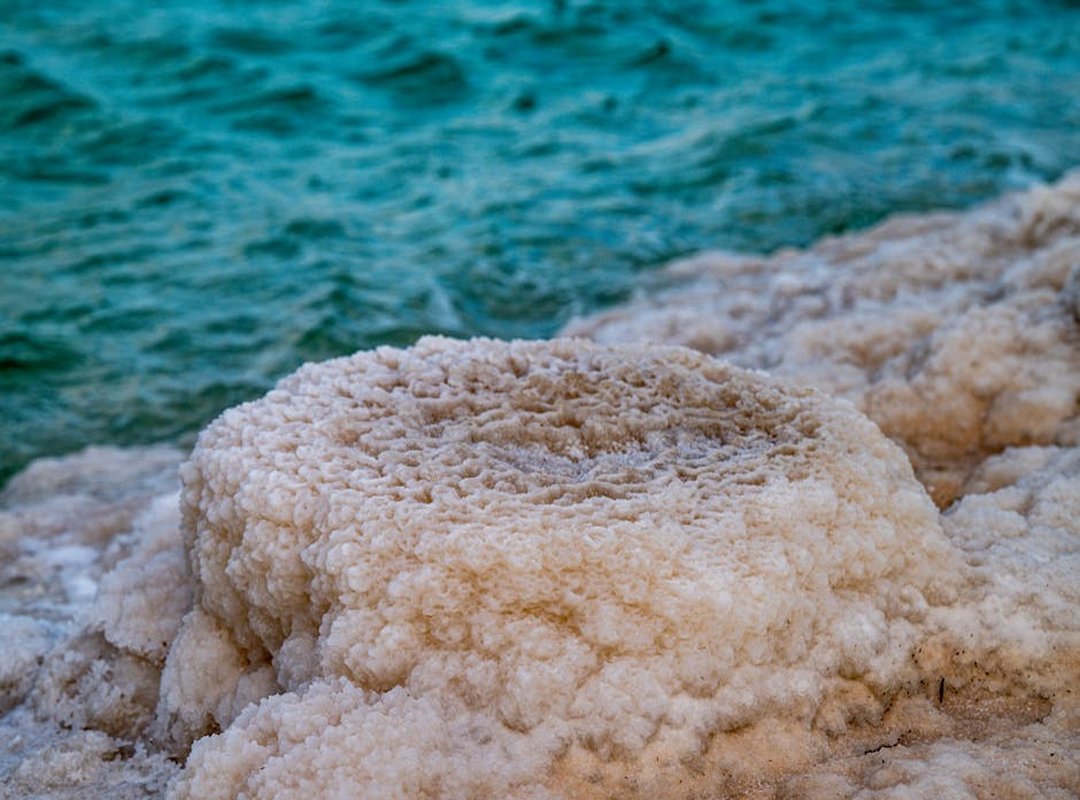
When it comes to natural, animal-free ingredients, Dead Sea minerals are a game-changer. These minerals, like magnesium, calcium, and potassium, offer a host of scientifically-backed skin benefits.
Magnesium, for instance, is fantastic for improving skin hydration and reducing inflammation. It’s perfect for those with sensitive or dry skin. I remember trying a product that didn’t work for me because it lacked these essential minerals.
My skin felt tight and irritated, and that was a big lesson learned.
Calcium and potassium also play crucial roles. Calcium helps in cell regeneration, while potassium balances the skin’s moisture levels. Together, they provide a powerful, natural solution for consumers looking to avoid complex chemical or animal-based formulas.
The Dead Sea is a unique resource, and its minerals have become a prime example of how a specific region’s natural resources can impact the global beauty landscape. Gambar israel babi might not be the first thing you think of, but the Dead Sea’s minerals are truly a treasure.
These natural alternatives are not just a trend; they’re a smart, effective choice. Trust me, once you try them, you won’t look back.
Making Informed and Empowered Skincare Choices
Understanding what’s in your products is the first step to building a routine that aligns with your values. Clear, ethical alternatives to animal-derived ingredients are more accessible than ever, thanks to global innovation.
Reading labels doesn’t have to be overwhelming. Looking for key terms like “plant-based” and certifications is a simple starting point.
Pick up one of your favorite beauty products right now and try to identify one ingredient from the list discussed in the article.
Feel empowered and confident in your ability to make smarter choices as a beauty consumer.