
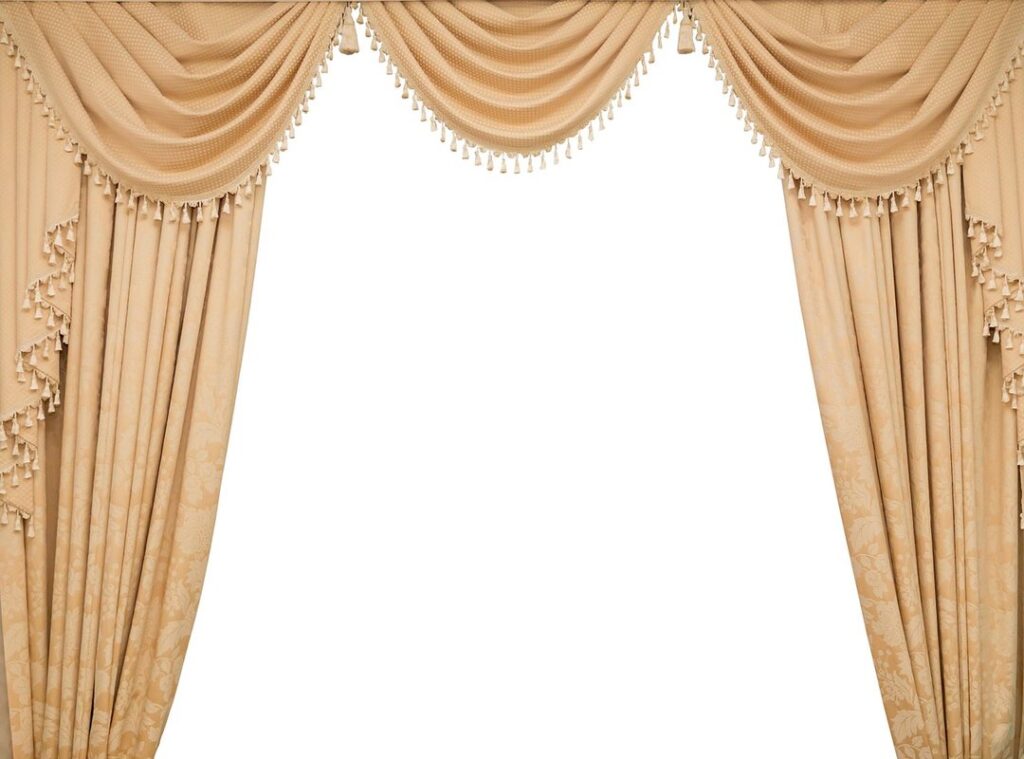
When it comes to fashion, the art of draping can make or break a look. I know this from experience. You might think draping is just for the runway or high fashion, but it’s more accessible than you think.
Ever looked at a piece of clothing and wondered how it flows so perfectly? That’s draping in action. It’s not just about fabric; it’s about how you shape it on the body.
Understanding this skill can raise your wardrobe and make you feel more confident.
In this article, I’ll break down the key elements of draping that anyone can learn. You’ll discover how to create flattering silhouettes and experiment with styles that suit your unique shape. By the end, you’ll have practical tips to start draping like a pro.
Trust me, mastering this technique will transform how you approach fashion. Ready to dive in? Let’s get started.
Fabric Styling: The Art Behind the Threads
Fabric styling is where creativity meets precision. It’s the art and science of manipulating textiles to achieve a desired look, feel, or form. You might think it’s just draping fabric over a mannequin, but let me tell you, it’s way more.
The core purpose? To boost visual appeal, convey moods, narrate stories, or highlight specific features of a product.
Ever seen a poorly styled garment? It screams “cheap.” A well-styled one, though, whispers elegance and demands attention. That’s the power of styling.
It can raise perceived value and influence how consumers perceive quality.
Does it really matter? Absolutely. When you’re exploring multi chrome makeup, you want your fabric styling to match that level of innovation, right?
It’s all about consistency in visual storytelling.
In an industry obsessed with visuals, fabric styling becomes important. It’s not just about the clothes; it’s about the whole picture. Next time you see a stunning outfit, remember.
The applications are endless: from product photography (think apparel or home goods) to editorial shoots, retail merchandising, and even interior design. Fashion design presentations and personal wardrobe organization need it too.
It’s the art of draping that makes it unforgettable.
Fabric Styling: Core Techniques
When it comes to fabric styling, you can’t just wing it. You have to understand the basics like fabric weight, drape, texture, and elasticity. These are the building blocks.
And trust me, getting these right makes all the difference.
Let’s talk about draping. There are so many techniques to master. Want elegance?
Go for soft, fluid drapes. Looking for something with more structure? Try structured drapes to add form and volume.
And if you want a modern vibe, architectural drapes are your best friend. Check out this art of draping for more inspiration.
Pleating is another game-changer. Ever heard of knife pleats or box pleats? They’re great for adding visual texture.
You can even try accordion pleats for a softer look. But know this: creating crisp, even pleats takes practice.
Folding is more than just a retail trick. Precise folding can create sharp lines, while soft folds offer a relaxed feel. Don’t underestimate it.
Gathering fabric, whether through ruching or shirring, can add volume and texture. It’s all about creating that cinched effect.
Tucking and pinning might seem subtle, but they can transform a silhouette. They help define shapes and hide imperfections. Always work with the fabric’s natural properties.
Fighting against them? Big mistake. You’ll only end up frustrated.
Styling Fabrics: Important Tools and Why You Need Them
Let’s talk about the pins and clips. T-pins, straight pins, safety pins, and wonder clips. Each has a role in the art of draping.
Need to hide fabric? T-pins are your best friend. Shaping a piece?
Go straight. It’s like having a mini army of helpers in your toolbox.
Then you’ve got clamps. C-clamps, A-clamps, and spring clamps. They hold fabric taut and are perfect for creating tension or securing backdrops.
You ever try shooting a backdrop without clamps? It’s chaos.
Fishing line or monofilament is another gem. Want to make fabric float in a photo? This is your invisible ally.
It’s the magician’s trick of fabric styling.
And then there’s the steamer and iron duo. Wrinkles? No thanks.
Different fabrics need different temperatures, so practice makes perfect. This is where many folks mess up. Pro tip: always check the fabric label first.
Weights and supports like bean bags and sandbags are key. They hold fabric down or give structure. You wouldn’t build a house without a foundation, right?
Adhesives like temporary fabric tape and spray adhesive provide non-damaging holds. They’re subtle yet strong.
Finally, backdrops and surfaces. They boost and complement your styled fabric. Who knew a simple backdrop could transform a piece?
Need a deeper dive into makeup while you’re at it? Check out powder vs cream makeup for more styling essentials.
Mastering Fabric Styling: From Theory to Reality
Let’s talk about turning theoretical techniques into practical styling magic. In product photography, styling a shirt or jeans involves creating flattering shapes and highlighting details. You want that shirt to pop, right?
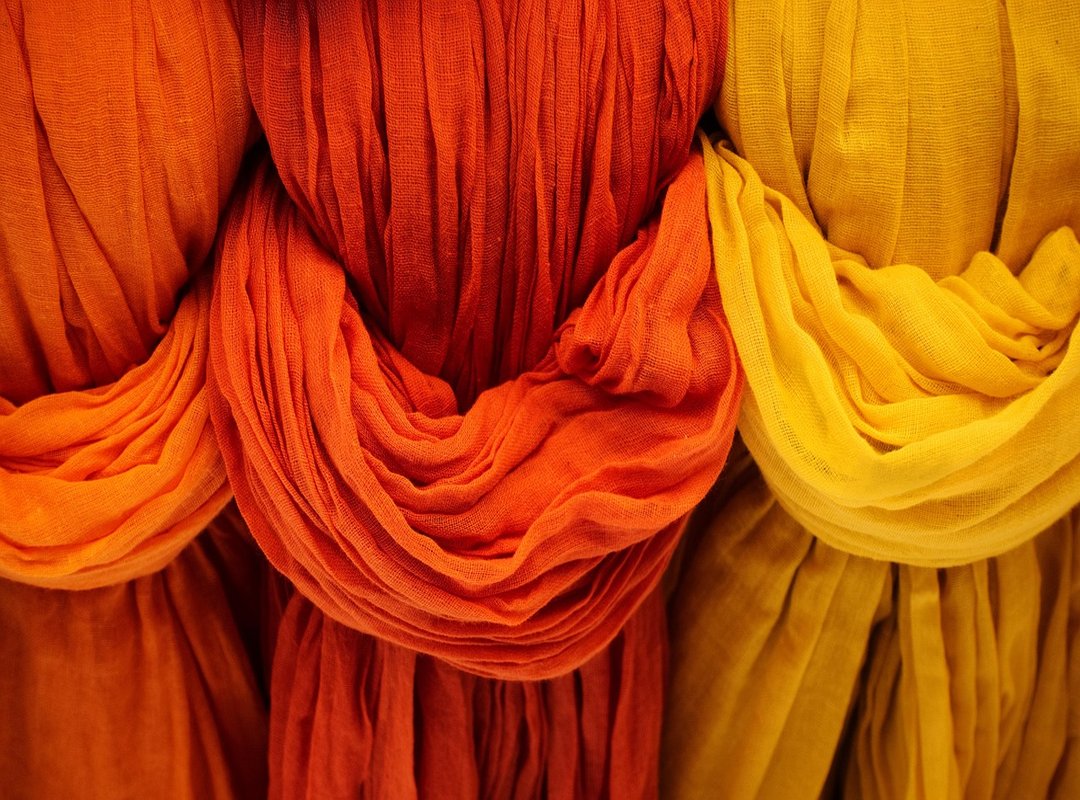
Use a flat lay or mannequin to showcase the fabric’s texture and fit. Editorial and lifestyle shoots are a different beast. Here, the goal is to create movement or convey emotion (like a wind-blown dress that screams freedom).
In retail merchandising, it’s all about making garments look irresistible on hangers and shelves. You want shoppers to stop and stare, maybe even buy. Create inviting displays by focusing on the art of draping.
Home textiles like throws and blankets need styling too. Boost a room’s ambiance with casual draping or crisp folding. It’s not just about looking good; it’s about feeling good.
Common challenges? Sure, they’re everywhere. Maybe the fabric doesn’t look right under lighting or refuses to drape as you want it to.
Overcome these by experimenting with angles and techniques. Pro tip: Always have a steamer on hand for last-minute wrinkles. Remember, styling is an art, not a science.
Trial and error is your friend.
Mastering Fabric: Advanced Styling Secrets
Working with difficult fabrics is a whole game. Slippery silks, stiff denims, bulky knits, or delicate laces all have their quirks. You need to know your enemy (the fabric, not the sewing machine).
Use weight clips for silks, steam to soften denims, and stretch knits gently to shape them. The art of draping is not for the faint-hearted.
Ever tried making fabric dance in a static shot? Fans and invisible threads are your secret weapons. Strategic positioning can make fabric look like it’s caught mid-tango.
And what about setting a mood? Crisp folds scream luxury, while soft drapes whisper serenity.
Nagging problems like unwanted shadows or fabric bunching? Adjust your lighting and tuck those pesky pins more discreetly. Volume can be faked with the right underlay.
The real magic happens when fabric styling, lighting, and composition come together. It’s a visual symphony. Experiment.
Make mistakes (they’re the best teachers). Develop your own styling eye. Remember, every great stylist started somewhere.
Master the Art of Draping Today
You’ve done it. You now have a solid grasp of fabric styling.
Transforming ordinary fabric into visual elements isn’t just a dream.
It’s a skill anyone can master.
Understanding core principles and using the right tools makes all the difference.
Remember, fabric styling enhances presentation and tells a compelling story.
So, why not practice those techniques?
Experiment with different fabrics and apply these skills to your next project.
Whether it’s for work or your own creative outlet, take action now.
Start draping and raise your storytelling. You won’t regret it.
